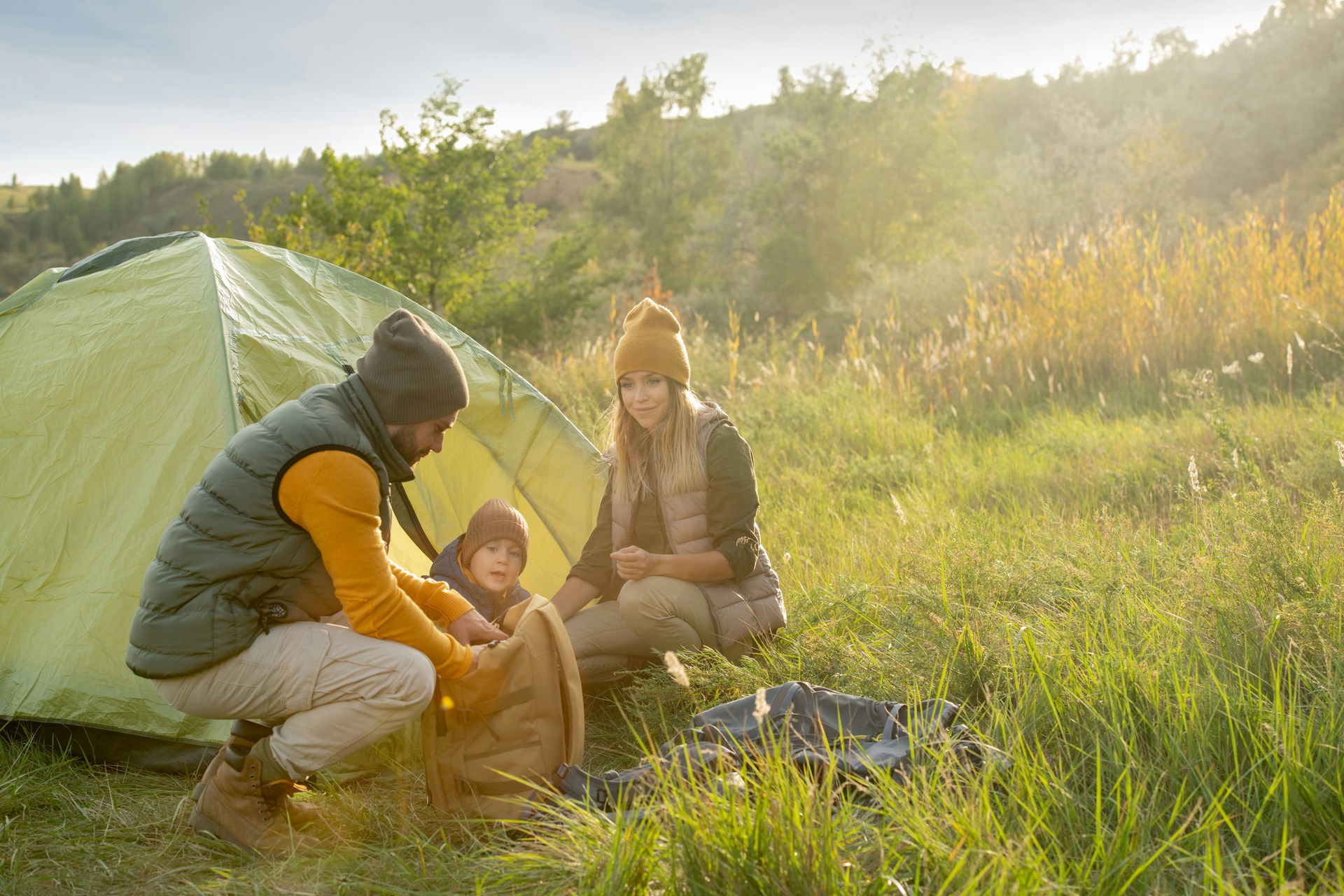
Summer camping offers families a chance to escape daily routines, explore nature, and create lasting memories. From mountain forests to peaceful lakesides, outdoor adventures bring people together through shared experiences. Moreover, these trips often become treasured family traditions that continue for generations. Children who grow up enjoying campfires, hiking trails, and nights under the stars frequently carry those memories into adulthood.
As families return to familiar camping destinations each year, they develop meaningful connections with nature and one another. Simple activities such as cooking outdoors, telling stories, and exploring new places also help strengthen relationships. These experiences show why summer camping remains an important tradition across different generations.
Building Stronger Family Connections Through Camping
Camping creates valuable opportunities for families to spend quality time together without constant distractions. Unlike busy daily schedules, outdoor trips encourage meaningful conversations and shared activities. For example, parents and children can prepare meals, gather firewood where permitted, or explore nearby trails. These moments help family members understand one another while building stronger emotional connections.
Additionally, camping encourages teamwork and cooperation. Setting up tents, organizing supplies, and preparing campsites require everyone to contribute. As a result, children learn responsibility while adults enjoy teaching practical skills. Over time, these shared responsibilities become familiar traditions that families look forward to repeating each summer.
Creating Childhood Memories That Last a Lifetime
Childhood camping experiences often leave lasting impressions because they combine adventure, discovery, and family bonding. Whether children catch their first fish, spot wildlife, or learn to build a safe campfire, these moments create meaningful memories. Outdoor activities also encourage curiosity and help young campers build confidence through new experiences.
As children grow older, they often remember small details from their camping adventures. The smell of breakfast cooking outdoors, the sound of evening insects, and the excitement of sleeping beneath the stars can remain memorable for years. As a result, many adults recreate these experiences with their own children, allowing family traditions to continue.
Passing Outdoor Skills From One Generation to Another
Summer camping provides an excellent setting for passing practical knowledge between generations. Grandparents and parents can teach children how to follow trails, identify common plants, respect wildlife, and prepare for changing weather conditions. Moreover, these lessons encourage independence while helping younger generations appreciate the natural environment.
Outdoor traditions also often include lessons on safety and environmental responsibility. Experienced campers can demonstrate proper campsite cleanup, responsible fire practices, and ways to protect natural habitats. Through these activities, children develop useful habits that support responsible outdoor recreation. As a result, camping traditions preserve valuable knowledge alongside family memories.
Exploring Different Landscapes and Regional Traditions
America’s diverse landscapes offer countless opportunities for meaningful summer camping experiences. Families may explore the forests of the Sierra Nevada, camp beside mountain lakes, or visit coastal destinations near Long Island. Each location provides unique scenery, recreational activities, and opportunities for discovery. As a result, camping traditions can reflect each region’s natural character.
Meanwhile, families often develop personal routines based on their favorite destinations. Some enjoy morning hikes and afternoon swimming, while others prefer fishing, birdwatching, or evening storytelling. These familiar activities create a sense of belonging that encourages repeat visits. Although camping locations may change over time, the shared experiences remain central to family traditions.
Strengthening Appreciation for Nature and Conservation
Camping introduces younger generations to the beauty and importance of natural environments. Spending time among trees, rivers, and wildlife helps children understand how ecosystems support living things. Furthermore, observing seasonal changes encourages curiosity about the natural world and the need to protect it.
Parents can also use camping trips to demonstrate responsible environmental habits. For instance, families can minimize waste, stay on designated trails, and follow Leave No Trace principles. As a result, children learn that outdoor enjoyment comes with responsibility. These lessons can influence how future generations approach recreation and environmental conservation.
Why Summer Camping Traditions Continue Across Generations
Summer camping remains popular because it combines adventure, connection, and meaningful family experiences. Each trip creates opportunities to share stories, develop skills, and enjoy familiar activities. Moreover, returning to favorite destinations helps families stay connected to their personal histories.
Ultimately, camping traditions continue because they offer experiences that extend beyond a single vacation. Parents pass cherished memories and outdoor knowledge to their children, who may eventually share similar adventures with future generations. Through these repeated experiences, summer camping becomes more than recreation. It develops into a lasting family legacy built around nature, togetherness, and discovery.
Adapting Camping Traditions to Modern Family Life
Modern technology and changing lifestyles have influenced how families organize outdoor adventures. Today, campers can use digital maps, improved camping equipment, and online reservation systems to simplify trip planning. However, camping’s central appeal remains unchanged because families still value time together and meaningful experiences in nature.
Additionally, families can adjust camping traditions to accommodate different ages, abilities, and interests. Some prefer traditional tent camping, while others choose cabins or accessible campgrounds with additional facilities. These options allow more family members to participate comfortably. As a result, camping traditions can evolve without losing their original purpose.